Nestled deep within Fiordland National Park, Milford Sound stands as one of New Zealand South Island’s most awe-inspiring natural wonders. Visited by travelers from around the globe, this fiord is synonymous with dramatic landscapes, pristine environments, and an enduring sense of untouched wilderness. Whether approached by boat, bus, or hiking boot, Milford Sound offers iconic scenery and landmarks that remain vivid in memory long after any journey ends.
Geological marvels and breathtaking landscapes
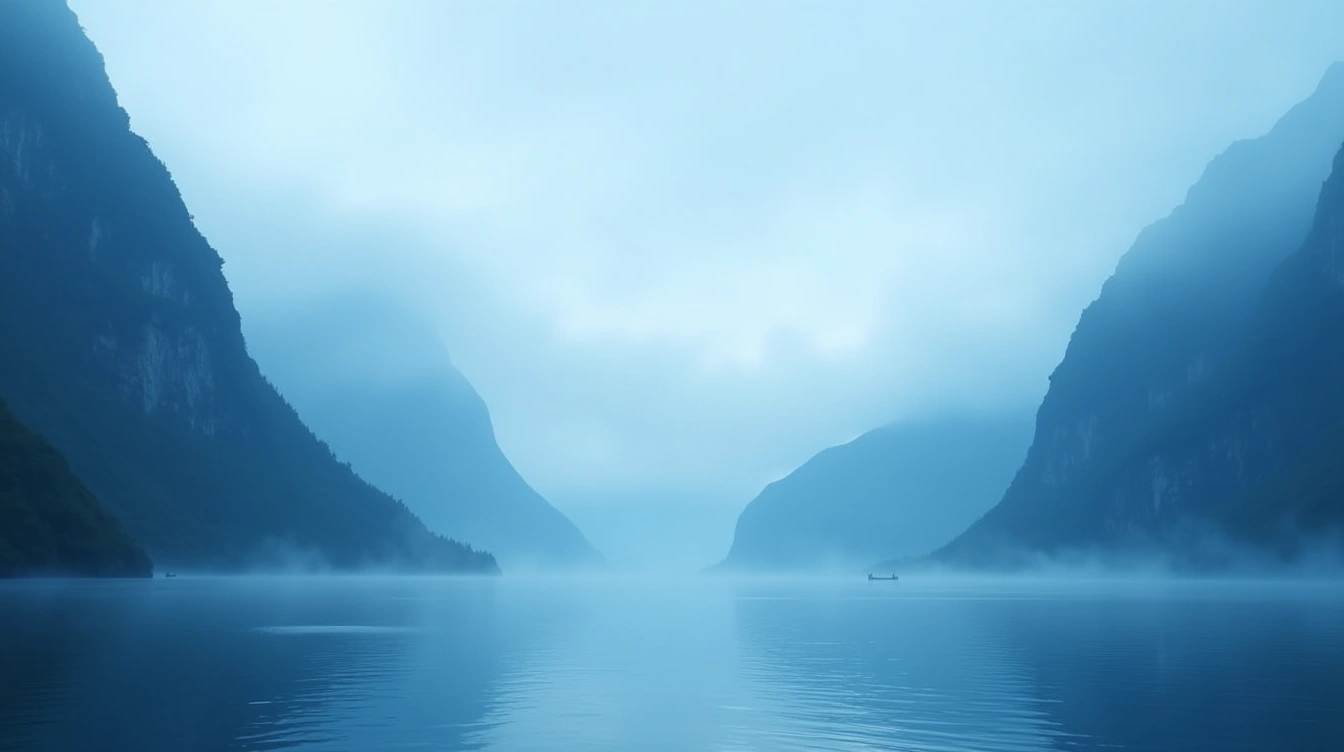
Milford Sound is more than just a scenic destination; it is a living testament to nature’s immense power. Over millions of years, powerful glaciers sculpted its unique geography, creating an environment where towering cliffs and mountains meet the water in spectacular fashion.
In parallel : Uncover bristol”s best artisan markets: your complete guide to local hidden gems!
The sheer rock faces rise almost vertically from the dark waters, often shrouded in shifting mists. This constant interplay between stone and cloud creates moods ranging from mysterious to magnificent, ensuring each visit feels distinctive and unforgettable.
The allure of the waterfalls
Among Milford Sound’s most captivating features are its waterfalls. Ribbons of water plunge from daunting heights into the fiord’s depths below. Stirling Falls and Bowen Falls are the most famous, but rainfall often brings dozens of smaller cascades to life across the cliff faces. For visitors wishing to prepare their trip or discover more before traveling, comprehensive resources can be found at Milford Sound.
In the same genre : Revitalize your senses : top massage spots in lisbon
These powerful waterfalls frequently become the highlight of cruises and boat tours, especially after rain invigorates their flow. Visitors gather at observation points or on deck, cameras ready, hoping to capture the perfect shot of these natural spectacles.
Towering features and panoramic outlooks
Mitre Peak commands special attention, rising over 1,600 meters above sea level. Its pointed summit is instantly recognizable and often featured in images showcasing Milford Sound’s iconic scenery. The surrounding granite walls amplify every echo and sound, adding another sensory layer to the experience.
Walkways and short trails offer new perspectives, inviting adventure-seekers closer to both water and mountain. These vantage points reveal fresh angles daily, framed by changing light and dynamic weather patterns.
Cruises and boat tours: the best way to explore

Experiencing Milford Sound from the water reveals its full grandeur. Cruises and boat tours glide through tranquil fjord waters, passing near rock faces draped in lush greenery and splashed by falling water. Many tours maximize wildlife encounters, transforming each outing into a true voyage of discovery.
Tour operators often time departures to catch sunlight illuminating the waterfalls or to witness dusk settling over the peaks. Onboard commentary covers geology, history, and ecology, making cruises both educational and inspiring.
- 🚢 Regular departures throughout the day
- 🦭 Wildlife-spotting opportunities (seals, dolphins, sometimes penguins)
- 🌧️ Rainy weather transforms the landscape with extra waterfalls
- 📸 Viewing platforms for photo enthusiasts
For those seeking a quieter pace, kayak excursions provide an intimate alternative. Paddlers can approach hidden coves or pause beneath cascading falls, enjoying perspectives few others experience.
Diverse wildlife encounters
Beyond its scenic beauty, Milford Sound teems with wildlife adapted to its sheltered environment. Seals bask on sun-warmed rocks, while pods of dolphins occasionally frolic beside tour boats. Spotting a rare Fiordland crested penguin adds excitement for observant visitors.
Birdsong echoes from ancient forests clinging to the slopes, reinforcing the area’s reputation as a sanctuary for native species. Educational signs along footpaths detail the rich flora and fauna that make this ecosystem so vibrant.
The underwater observatory
Beneath the surface, the diversity continues. The underwater observatory provides a window into a world filled with black corals and colorful fish. Here, saltwater mixes with freshwater, supporting unique marine communities rarely found elsewhere.
Marine biologists study these phenomena closely, documenting seasonal changes and protecting vulnerable habitats. This scientific dimension adds depth and fascination to outdoor exploration.
Protection of a pristine environment
Fiordland National Park enforces strict conservation measures, safeguarding Milford Sound’s natural environment for future generations. Limited development ensures that wildlife and ancient forests remain undisturbed, balancing visitor access with preservation.
Travelers are encouraged to follow eco-friendly practices, such as carrying out waste and respecting park signage. Experiencing this commitment to stewardship can deepen appreciation for the region’s unspoiled character.
Accommodation and lodges: staying in the wilderness
Spending a night near Milford Sound lets guests enjoy the fiord’s tranquility after daytime crowds depart. A selection of accommodation and lodges are nestled within or close to the fiord, offering rustic charm or modern comforts to suit different preferences.
Staying overnight invites early morning walks under soft light or quiet evenings spent stargazing from shared lounges. It also allows more time for sunrise photography, kayaking, or forest hikes before new adventurers arrive.
| 🏨 Type | ⛰️ Proximity to fiord | ⭐ Notable features |
|---|---|---|
| Eco-lodge | Directly adjacent | Green-certified, small group atmosphere |
| Motel or guesthouse | Within 25 km | Budget options, basic services |
| Wilderness retreat | Remote bush setting | Wildlife viewing, guided walks, self-catered stays |
Most lodging options emphasize sustainability and simplicity, reflecting the wilderness ethos that defines Fiordland National Park. Booking ahead—especially during peak travel months—is strongly recommended due to limited capacity.
Travel tips and highlights for first-time visitors
Preparation helps every traveler fully appreciate Milford Sound and its iconic scenery. Weather conditions change quickly, bringing sudden rain or sunshine, so packing appropriate clothing is essential. Organized transport simplifies logistics, since parking within the park is limited.
For photographers, early mornings provide dramatic reflections and softer shadows. While day trips from Queenstown or Te Anau are possible, allowing extra time lets visitors absorb all that makes this region exceptional. Hiking to viewpoints, exploring boardwalks, and sampling regional cuisine enhance the overall experience.
- 🏞️ Essentials to bring: rain jacket, camera, binoculars
- 🩱 Best activities: short walks, boat tours, kayaking, underwater observatory visits
- ⏰ Timing: Visit outside major holidays for quieter moments
Common questions about Milford Sound answered
When is the best time to visit milford sound?
The fiord welcomes visitors year-round, with each season offering a distinct experience. Spring brings wildflowers and flowing waterfalls, while winter showcases snow-dusted peaks and fewer crowds. Most visitors arrive between November and April. Packing layers is wise, as weather can shift unexpectedly.
- ❄️ Winter (June–August): Quiet, photogenic, cooler
- 🌻 Spring/Summer (September–February): Lush growth, longer days, popular season
- 🍂 Autumn (March–May): Crisp air, golden foliage, variable rainfall
What types of wildlife can be seen in milford sound?
Many species thrive in this sheltered environment, including fur seals, bottlenose dolphins, and the occasional Fiordland crested penguin. Native birds like kea and tui are commonly heard in the forests. Underwater, visitors may observe black coral and diverse fish species at the observatory.
- 🦭 Seals lounging on rocks
- 🐧 Penguins spotted mostly in spring
- 🐬 Dolphins riding alongside cruise vessels
- 🐦 Unique birdlife in ancient forest
How can I reach milford sound from main cities on New Zealand South Island?
The most common routes start in Queenstown or Te Anau. Self-driving along the scenic Milford Road is popular, but buses and organized tours reduce stress and include expert commentary. Flightseeing tours offer aerial views for a unique perspective. Always check road conditions, especially in winter.
| 🛣️ Route | 🚗 Travel time |
|---|---|
| Queenstown – Milford Sound | Approx. 4.5 hours |
| Te Anau – Milford Sound | Approx. 2 hours |
- 🚌 Bus tours include sightseeing stops
- ✈️ Scenic flights offer unique perspectives
Are overnight accommodations available near milford sound?
A range of lodging exists near the fiord, including eco-lodges and budget motels. Early reservations are recommended, especially during summer. Some properties offer immersive natural settings, while others focus on comfort and accessibility. Wilderness retreats may provide guided walks or independent cabin stays.
- 🏠 Eco-lodges integrate sustainability goals
- 🛌 Motels present practical options for travelers
- 🎒 Retreated cabins offer solitude amidst nature